Is Yesteryear Worth the Hype? (Plus - Who Should Be Cast in the Movie?)
THIS CONTAINS SPOILERS! DO NOT READ MY REVIEW IF YOU DO NOT WANT TO READ SPOILERS!
Again, last chance to get off the ride.
Spoilers Ahead!!!!
Yesteryear by Caro Claire Burke is THE BOOK of Summer 2026. I have seen dozens of people reading it by the pool, in cafes, on the treadmill, walking (yes, walking) down the street. I’ve seen influencers on Instagram talk about it. Most people declared some variation of “they couldn’t put it down” - they read it in a day; they couldn’t sleep thinking about what would be revealed and what would happen next. I heard from only a couple people that they could not get into it and abandoned it within a couple attempts, which really gave me pause, but I wanted to decide for myself so I dove into the audiobook - and was immediately hooked.
The elevator pitch of this book is essentially - and I am paraphrasing here: “A tradwife influencer gets sent back in time to the era that she has been pretending to be from and realizes that it’s a harsh, uncomfortable place.”
I actually love that there is very little information out there before you read the book, because I went into it basically knowing just that little snippet - and it was more than enough for me to want to get my hands (or in my case, ears) on a copy.
Why? Well, because it was enough to convince me that Yesteryear would address a ton of pop culture thoughts and concerns that occupy my mind a lot these days, including the very real and very pertinent dilemma of “Instagram vs Reality.” I think it is really important to question a lot of what we see on social media, especially since so many people - men and women - immediately compare themselves to people they see online and it is so easy to trust and be influenced by people who speak with any sort of authority.
I will admit that since reading this book I do not look at any influencer the same. Pookie and Jett? I’m picturing bickering and sleeping in separate rooms between perfect takes of Jett delivering flowers and croissants to Pookie’s bedside. Nara and Lucky Smith? There’s no way. And let’s see the nannies and producers, please.
I’ve also spent a lot of time, before and after reading this book, thinking about how nasty people are to each other online! What gives people the need to comment publicly on another person’s photo saying something so vile and negative, or on the flip side so gushing and adoring, that they would never say out loud to someone’s face? I think both sides of online commentary are harmful - building people up and allowing people to create such huge platforms while also simultaneously tearing them down while also simultaneously comparing yourself to them is the definition of toxicity, and I think Yesteryear did a really good job of showing, not telling, this in a way that feels completely current and recognizable.
I think another thing that makes this book recognizable is that it feels a bit like a blend of Margaret Atwood’s novel TheHandmaid’s Tale, the M. Night Shyamalan movie The Village, a dash of Outlander, and real stories of influencers whose shiny veneers (pun intended) are hiding something else including Ballerina Farm and, on the much darker side, Ruby Franke or Jon + Kate Plus Eight.
SPOILER INCOMING! If you haven’t already, buy yourself a copy and then come back and discuss!
BUY YESTERYEAR ON AMAZON | BUY YESTERYEAR AT BARNES + NOBLE
BUY YESTERYEAR ON EBAY | BUY YESTERYEAR AT TARGET
Indeed, the twist of this book is that - shocker - Natalie and her family are not perfect, and she did not get sent back in time to 1855; she and her husband remodeled their ranch to have none of the amenities of modern life so they could live like homesteaders in the mid-nineteenth century. Natalie, who we find is not only an unreliable narrator but also pretty mentally unwell, which is exacerbated by untreated postpartum depression, begins to show signs of dementia, memory loss or Alzheimers and forgets that she is in 1855 by her own devices, instead slipping into moments of thinking she is trapped in the past or trapped in a reality show or kidnapped by psychos.
What I found most interesting about this novel is that nearly everyone is disappointing in their own unique way. There are no moral victories here - only people trying to convince themselves and the world that they're decent people or “good Christians.”
At the risk of seeming unforgiving, I do actually think Natalie is genuinely a bad person. To be fair and to give her some grace because very rarely is someone born bad, I absolutely think her rotten core has an origin story, as it almost always does in real life. In Natalie’s case it probably had to do with the way she was raised.
Trauma fractured her family at a young age, and Natalie was left feeling like an outsider because of it - not only does she come from a broken home in a community where that is not the done thing, she also comes from a small family consisting of just a mom, sister, and herself, where everyone else in her community has a small army of siblings. What’s worse, we later find out that her mother lied about what happened with her father and it turns out to be the opposite of what she raised them to know. Natalie’s mother is the one that cheated, and she left the father, not the other way around, which really put Natalie into more of a tailspin than she was already in. Instead of leaning on her sister Abigail - the only person who consistently tells the truth - Natalie looks down on her and at one point berates her so badly that I was cringing just to read it.
So, I do think she's profoundly unwell, and was so long before her post-partum depression. The book drops little breadcrumbs that suggest she has always been different, albeit highly functioning.
One of the biggest and earliest red flags? She didn't seem to have meaningful friendships as a young person. That's not always sinister, of course, but paired with her inability to connect authentically with others, not even her own sister, it begins to paint a much sadder picture.
Looking back, the clues about Natalie were hiding in plain sight. The biggest clue for me, besides her lack of any friendship ever, is that her 1855 family seemed 0% alarmed by her confusion and desire to escape, as though (which we learn later on is in fact true) they had seen her do this many times before. Her daughter Mary even seems bored by it, frankly. The microphone that she found in 1855 was also a clue, but the reader could shrug that off as a mystery of time travel, like it had accidentally entered some portal with her.
Pre-1855 (if that is the right way to describe it), when Natalie was a freshman at Harvard, her roommate Reena told her she could hear her muttering under her breath, which I took as a sort of throwaway comment about a little quirk Natalie may have had at first, but by the end of the book I understood that most or all of her inner dialogue was actually spoken aloud, unbeknownst to Natalie herself. Then there is her constant dialogue with God that at times feels less like faith and more like the only friendship she has ever truly had or trusted.
Another clue that something is amiss with our narrator is that her family, or families - her mother + sister, her nuclear family with Caleb, and her in-laws - don't seem as enchanted by her as her 5 million followers. In fact, they don’t even seem to like her very much at all.
They're confused by her (Caleb + the children), indifferent to her (Caleb’s parents), avoidant of her (Caleb’s brothers and their families) or just tolerant of her (her mother and sister), and Clementine seems downright exhausted by her. I got the distinct impression that she made everyone around her uncomfortable and that she was not truly loved by anyone. Even her fans didn’t like her once they got to meet her, like the woman she met at the Whole Foods, on whom she left a horrible impression.
What I love most about this book is the obsession with performance. I think that ultimately, the constant need to perform is what took down so many people in this book, especially the women. ALL of the “villains” of the book are cosplaying an identity. They all hate hypocrisy while somehow embodying it themselves.
Natalie performs femininity and what she believes is the appropriate level of softness and maternal instinct a woman should possess. Despite building her entire identity around rejecting modern womanhood, Natalie feels superior to all the men in her life, works harder and makes more than many of them, and yet also owes just about all of her success and livelihood to them, too. Chiefly, it was Doug, her father-in-law, who provided the money for the farm, and the person who put her on the map, so to speak, was a man - the Joe Rogan-esque Manosphere podcaster that her husband listened to and adored.
Doug performs patriotism and strength to mask his self-love and greed. Doug is no different from Natalie in many ways. He uses his family as props just as aggressively as she uses her family as props on Instagram. For example, Doug lies and presents Caleb as the ideal American man managing a cattle farm because it benefits his campaign and his public image as a rugged, Patriotic, traditional Alpha male. He packages his children into digestible political talking points, and he sells nostalgia just as much as Natalie does.
Reena, Natalie’s Harvard roommate, performs feminism to hide her lack of identity and need for popularity and validation.
Then there's Shannon - another character in whom, like Natalie, I found very little to like. Shannon performs progressivism and yet she is every bit the hypocrite she accuses others of being. (Sidebar: I kind of rolled my eyes when she was introduced as having pink hair - the literary shorthand for, "Don't worry readers, she's different," but I think this was a deliberate choice by the author to once again show, not tell, Shannon’s performative progressivism.) She despises Doug and his politics. She presents herself as morally superior and enlightened, and yet has no problem sleeping with a married man and in doing so, arguably taking advantage of someone who isn't particularly sophisticated and whose only sexual relationship has been with his wife.
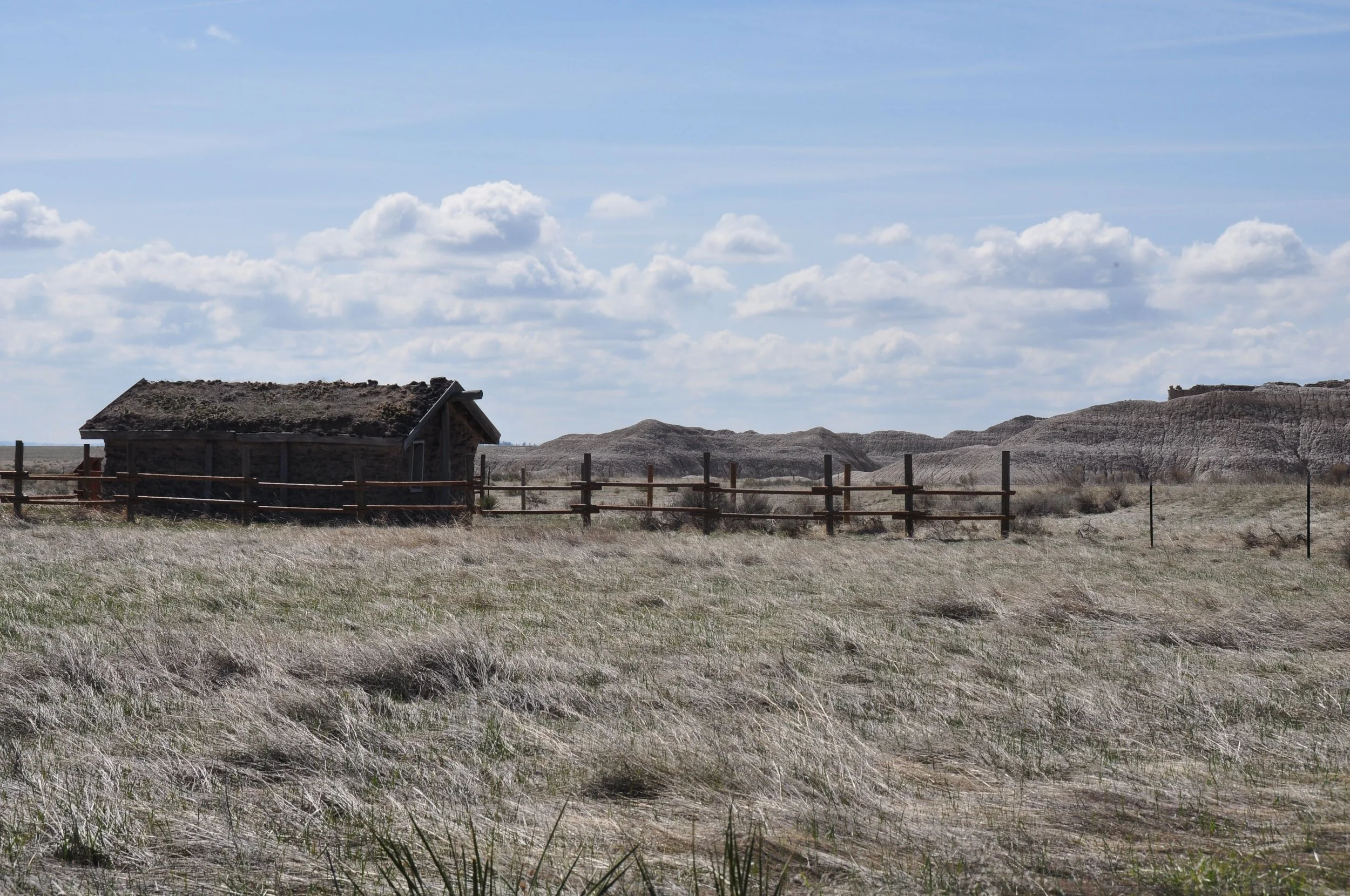
And yet, Shannon genuinely helps, or even rescues, Clementine from what we as readers don’t fully realize is a downright abusive home, even if the details remain somewhat obscured by our unreliable narrator, Natalie. Shannon sees the unsurvivable toxicity in the family when no one else does, and she is the only one who seems to take action. I do think it is significant that Shannon comes from money, though - only someone with a massive security net could take the risks she did, from blowing up her career to going extremely public with it. I also don’t really know why she had to go so public - was there another way to rescue Clementine and the rest of the children on Yesteryear Ranch without making the evening news? Or perhaps, because of the visibility of their famous mother and family, was that the most appropriate and effective way to take them down, including Doug, who, with a presidential bid, may have been the most dangerous person in the family.
The character I couldn't stop thinking about was Mary, who was in no way a villain, hypocritical, or even self-interested. No one in this book made me sadder, especially when she was described by Natalie as looking kind of sickly and dull in comparison to Clementine. She exists quietly amidst everyone else's performances and ambitions, and has had to be the mother to her own mother as well as to her siblings.
And finally, one of my favorite choices the author makes: we are given remarkably little physical description of most of the characters, besides the children’s resemblance to Natalie and Caleb and Shannon’s pink hair. It's such an intentional omission in a book so concerned with appearances and identity. It forces readers to imagine their own versions of these people rather than relying on literary shorthand to tell us who deserves our sympathy.
Which, admittedly, led me immediately to begin casting the inevitable television adaptation in my head.
Who should star in the movie version of Yesteryear by Caro Claire Burke?
DOUG MILLS AND AMELIA MILLS:
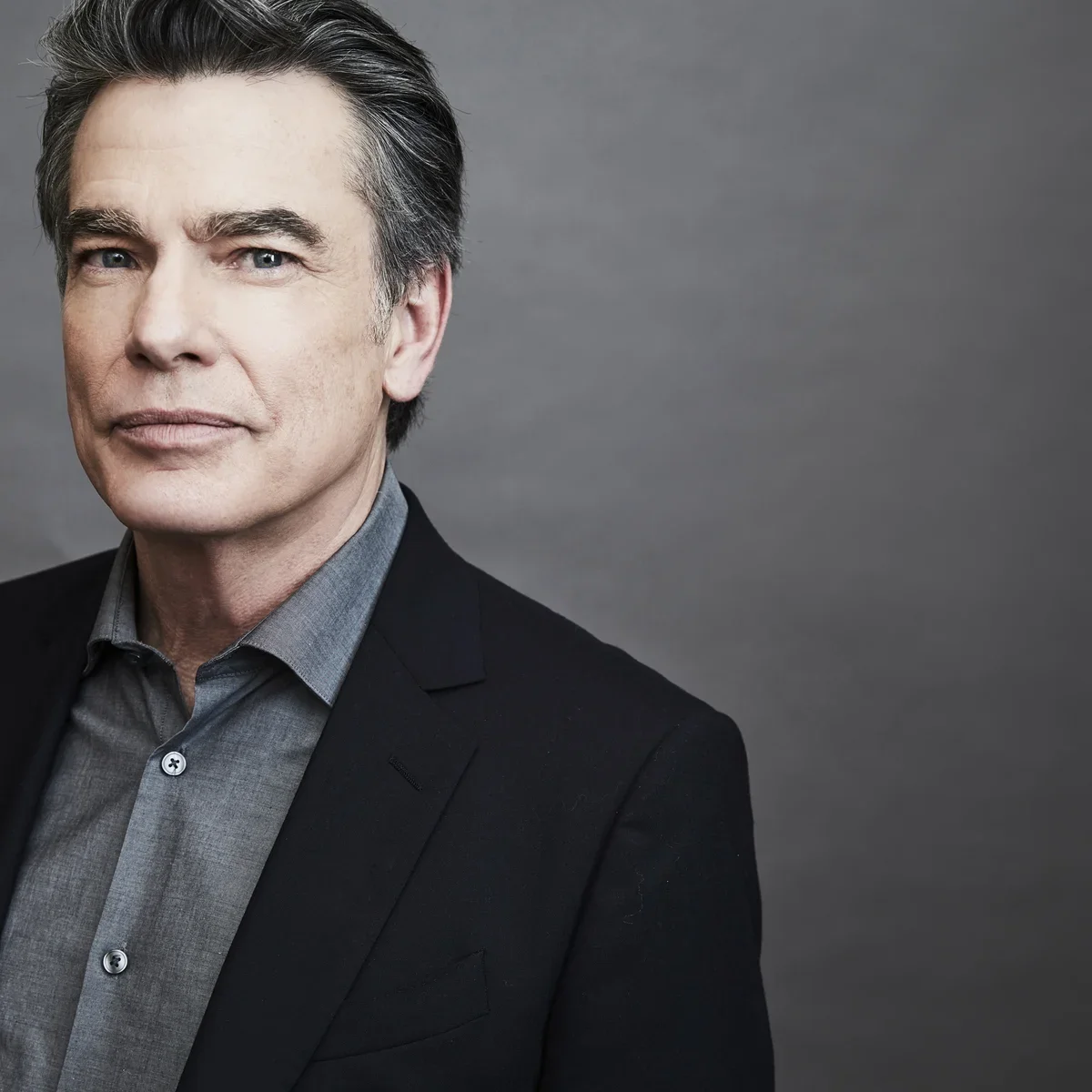
Doug Mills was so easy for me; I pictured him immediately as Peter Gallagher, best known as Sandy from The OC. He looks like a politician and stern father. He’s a little bit older, but considering Caleb is in his mid-30s for some of this time-jumping book, and considering that he is the youngest of five boys, Doug could be in his mid 60s or 70 like Peter Gallagher.
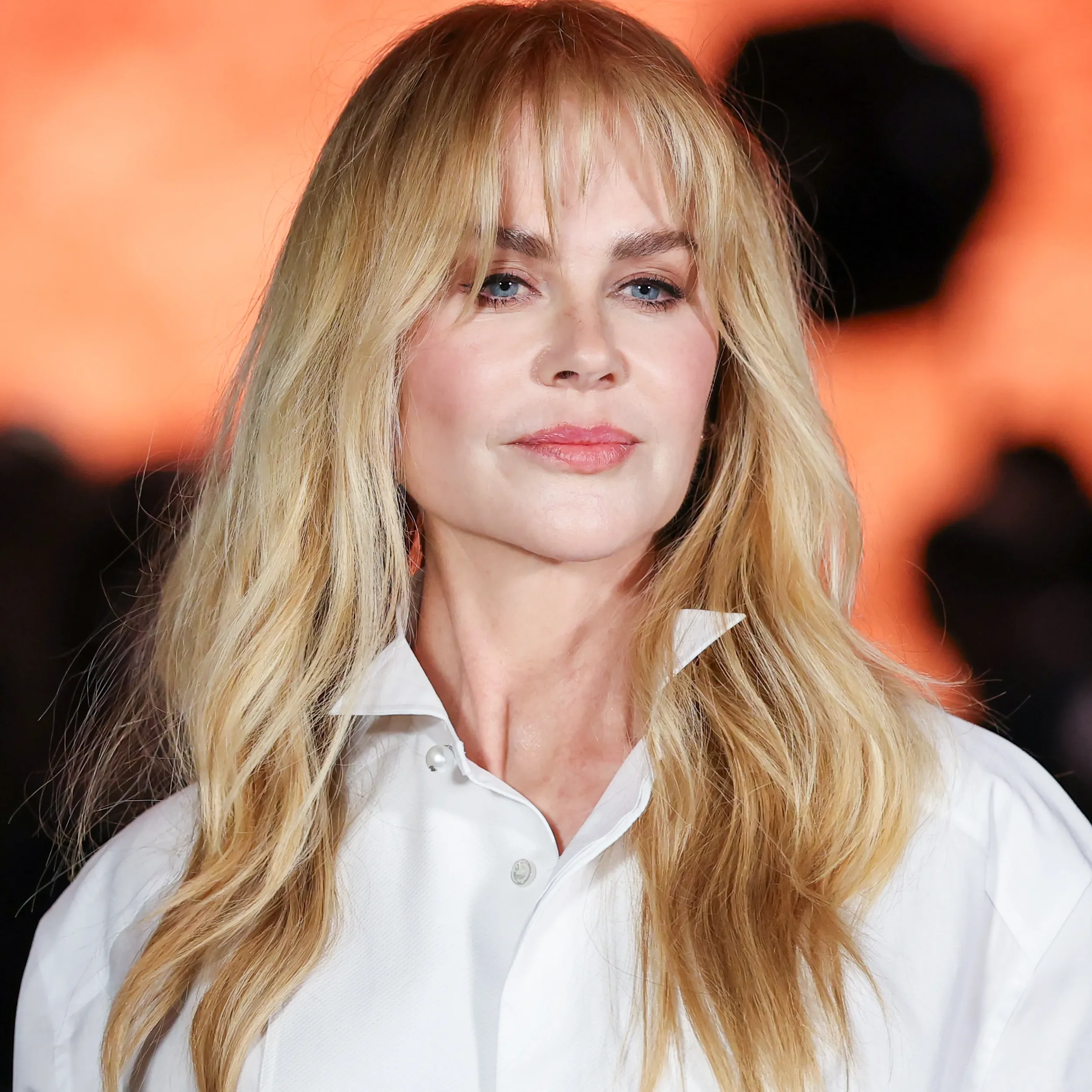
Amelia Mills could be played by Nicole Kidman. She absolutely gives Senators-Wife vibes and has played plenty of characters that have a very thin perfect veneer over a completely shattered psyche; this would be a cake walk for her to play and for the audience to believe. I’d love to see her down some happy-pill-laced fat free pudding while cooking a roast for her family.
ABIGAIL AND “NATALIE’S MOTHER”:
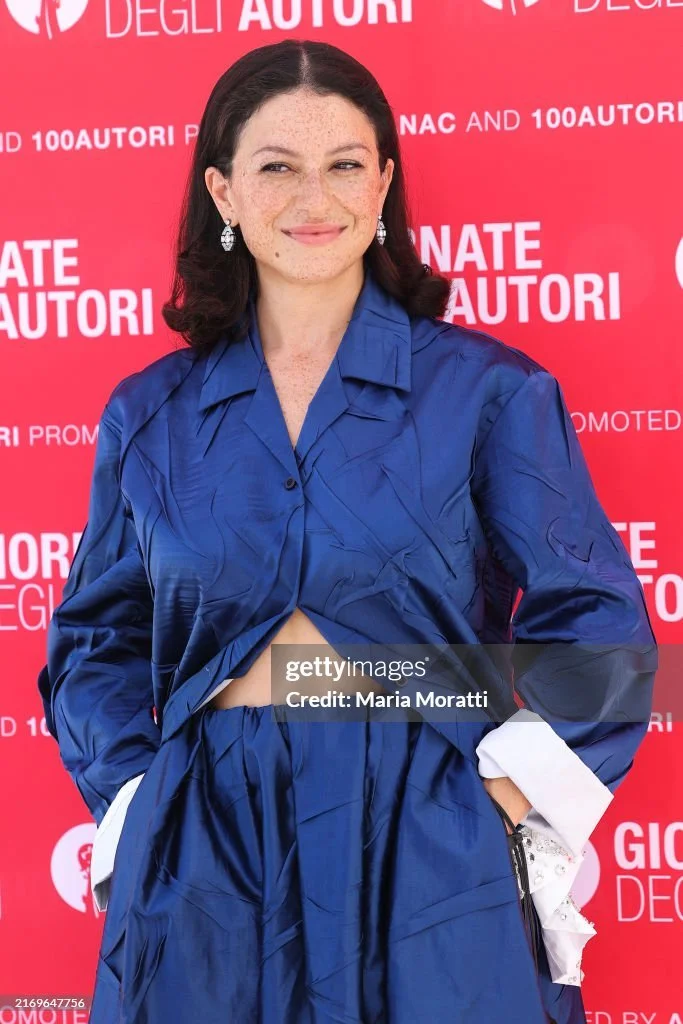
Abigail could be played perfectly by Alia Shawkat. Her freckles make her look like she could be a corn-fed, homesteading mother of five, but she also plays frustrated, and specifically, “I’m smart and therefore frustrated because I’m in an unwinnable situation” in a way that would really belie Abigail’s struggles, and strength.
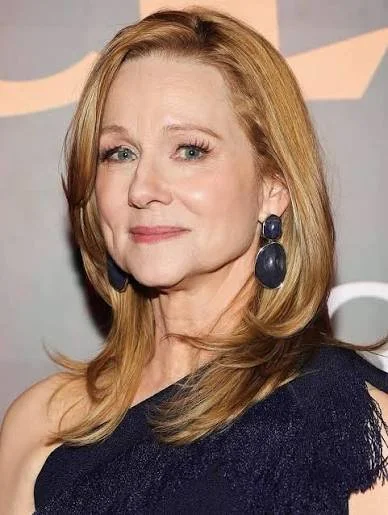
Natalie’s Mother was never given a real name, which is so interesting in an of itself. I love the way Laura Linney played Wendy Byrd in Ozark - she was a dependable, solid mother figure who was flawed, selfish at times, and determined to see something through to the end, even if it was not the morally right thing to do. Not unlike “Natalie’s Mother,” amiright?
CLEMENTINE + MARY:
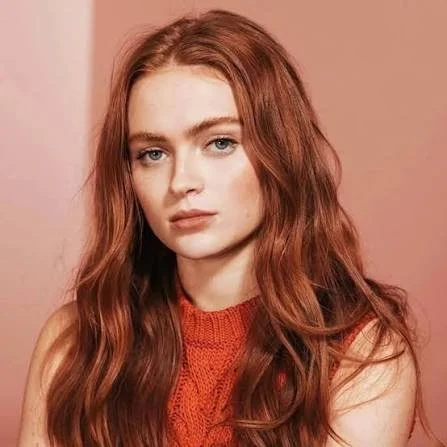
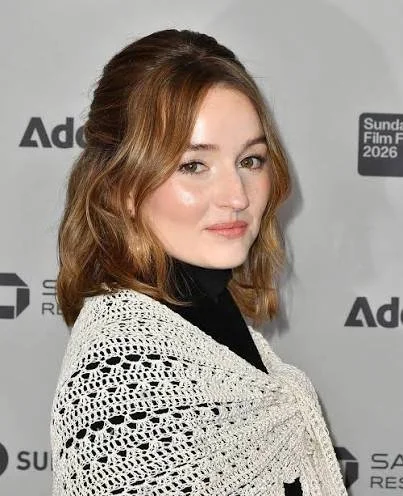
Clementine + Mary are sisters, but one, Clementine, is a bad-ass, self-actualized cult-escapee, essentially, and the other, Mary, is still trapped in the nightmare. With heart-shaped faces and similar coloring, they look enough alike that I’d buy that they’re sisters, but Sadie Sink naturally has an edge and an attitude like I picture Clementine having, while Kaitlyn Dever has a quiet strength that I imagine Mary must surely have had to possess to survive like in “1855.”
PRODUCER SHANNON + REENA MAGLIOTTI:
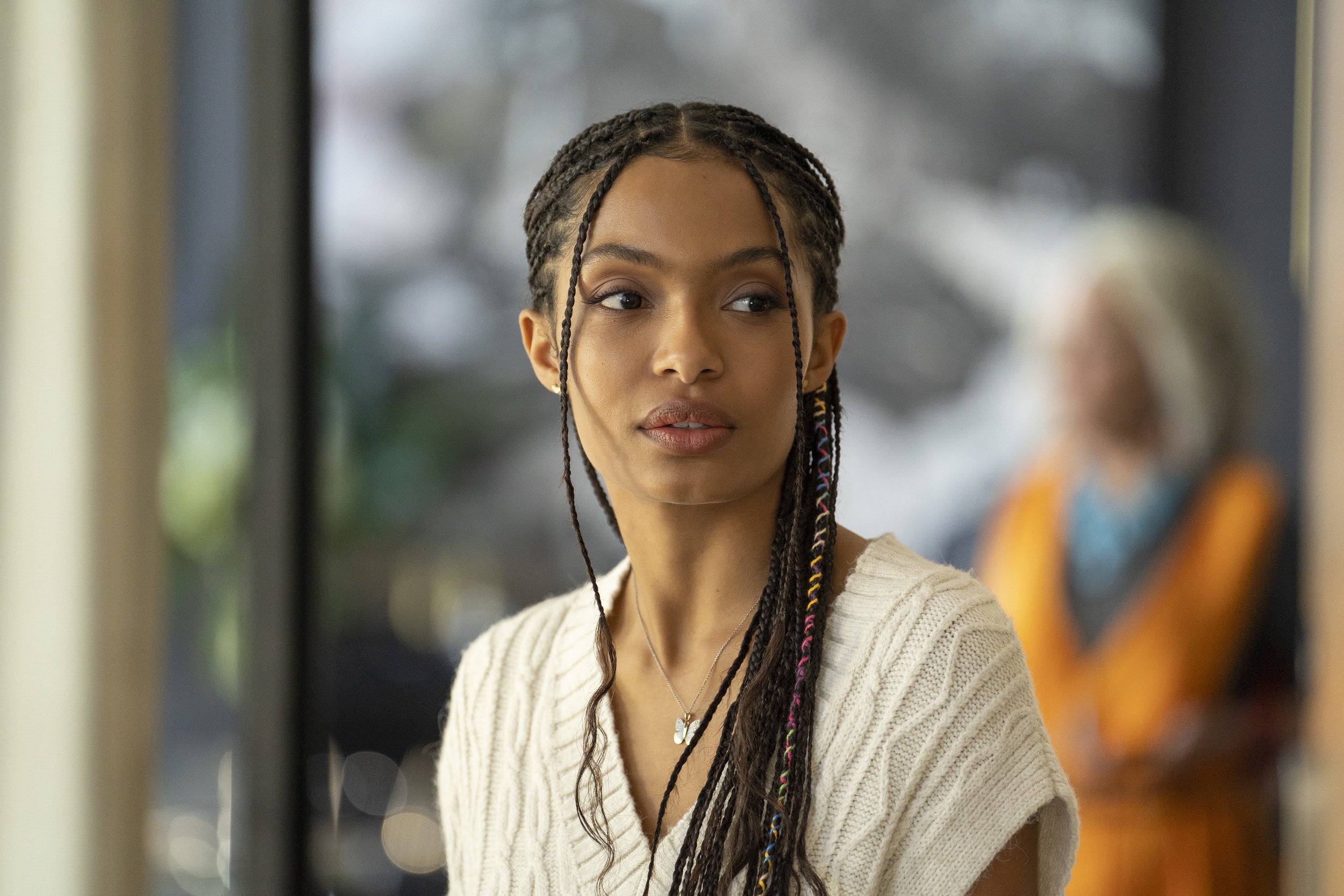
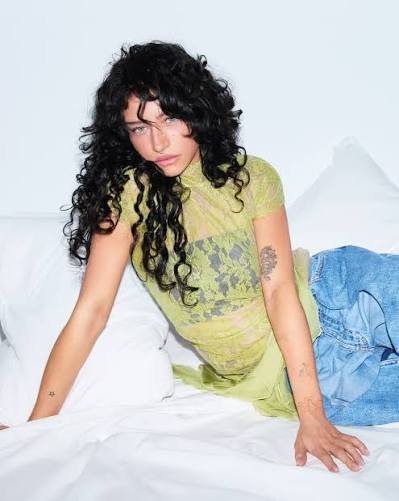
Producer Shannon is such an interesting, dynamic character and I think Yara Shahidi would CRUSH in this role. She looks like she could seduce Caleb Mills but also free a brood of abused children and shake up the tradwife universe via a shocking nationally televised expose, and then go chill on a beach by the Pacific Ocean afterwards.
As for Reena Magliotti, Odessa A’Zion has that really in-your-face, incredibly smart but also gets-in-her-own-way-sometimes vibe that Reena gives off. She is someone that I could see playing a woman that fails a couple times before ultimately picking herself up and coming into her own. A’Zion is Jewish, but with her gorgeous curly hair and angular features, she looks Italian like Reena. (Shout-out to my fellow half Italian/half Jewish girlies!)
CALEB MILLS - Young + Old:
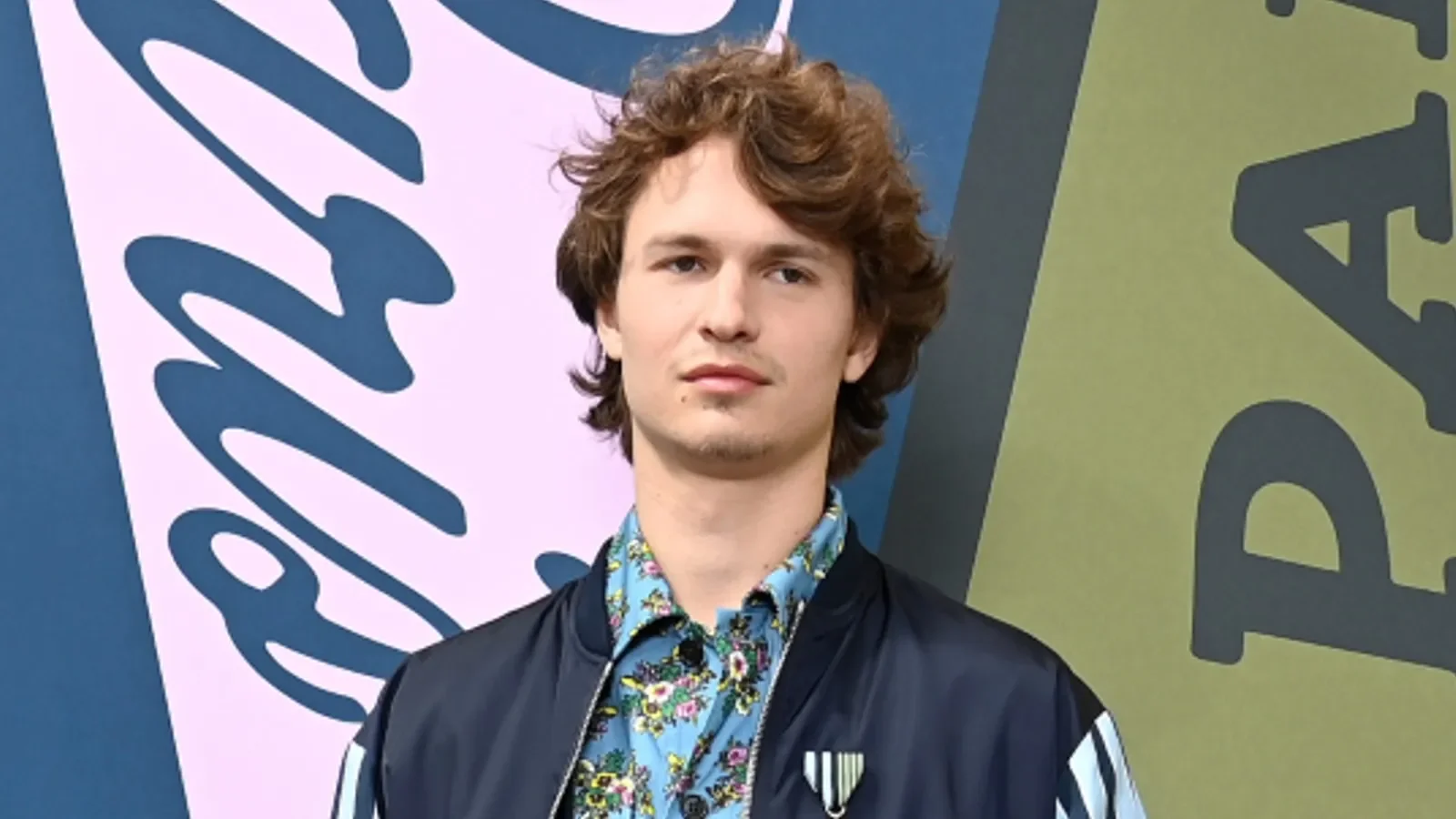
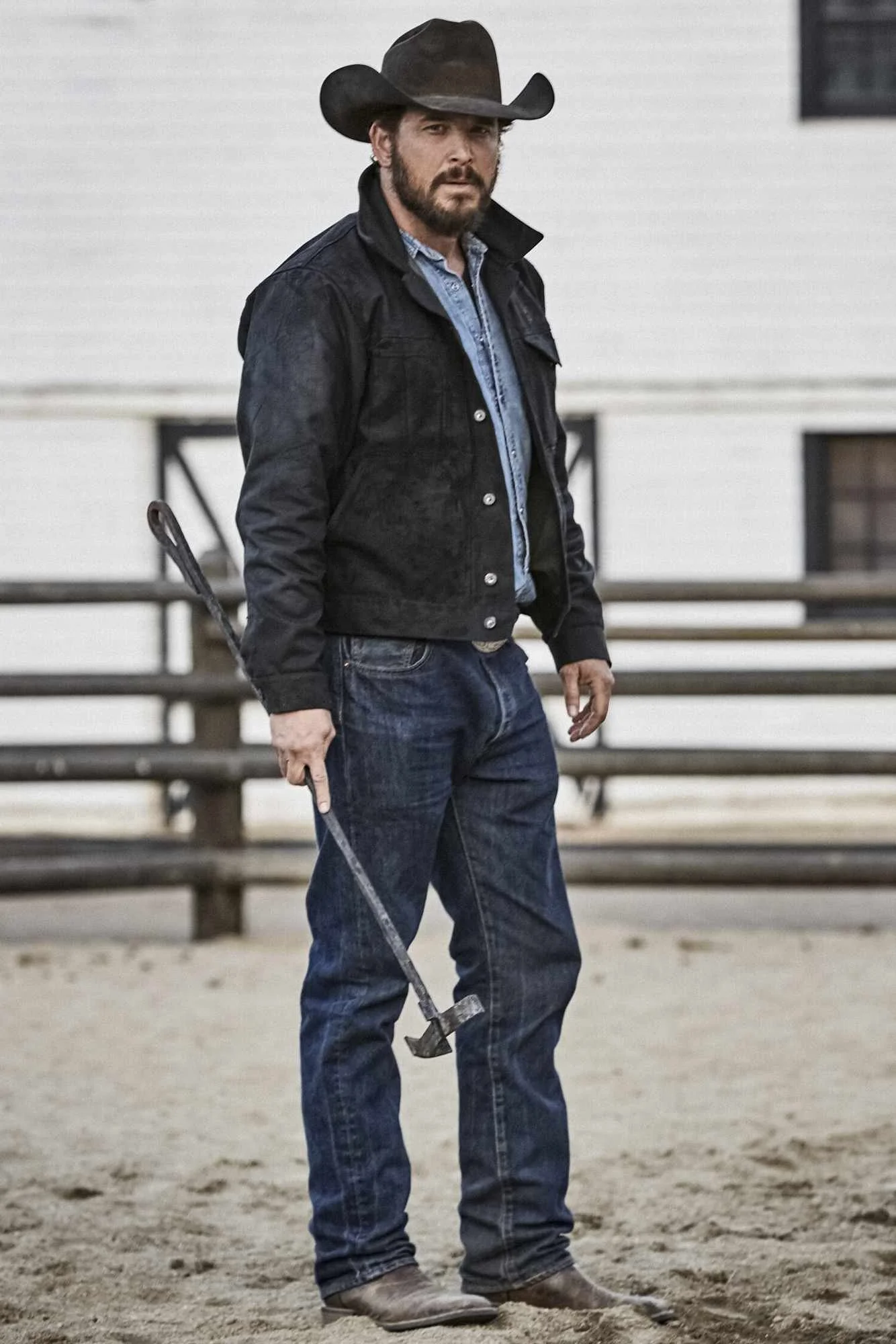
Ansel Elgort could play Young Caleb Mills - he’s tall and looks like he’d be equally at home in a lush senators mansion, an instagram ready ranch, or a 1850’s log cabin. As for Old Caleb, in my head while listening to the book, I consistenly pictured Cole Hauser, best known as Rip Wheeler in Yellowstone. He seems like he could play the kind of guy who would slap his wife during a psychotic break. (No disrespect to the actor here…)
NATALIE HELLER-MILLS:
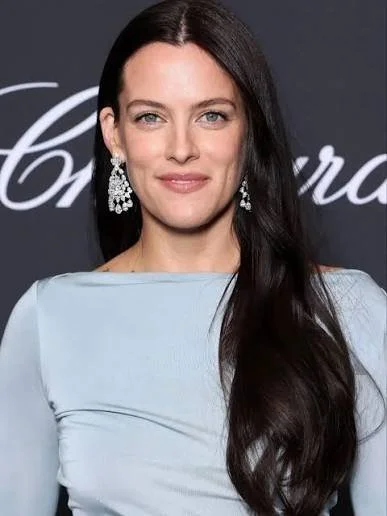
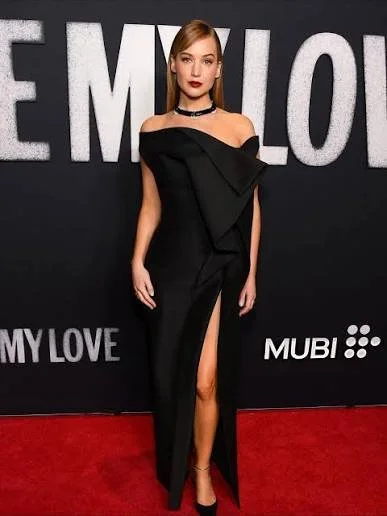
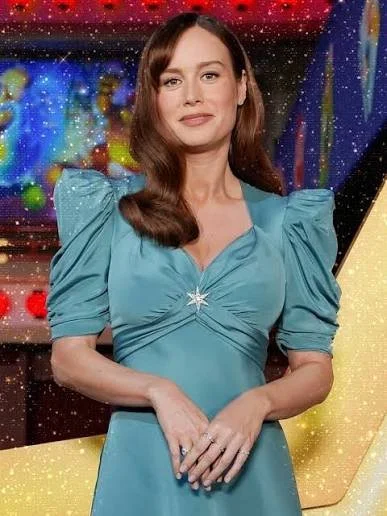
Natalie Heller Mills from Yesteryear would be the hardest to cast!
Okay, I know that Anne Hathaway purchased the rights to the movie and is said to be “producing and staring” in it, but in my mind, she’s not Natalie. I think Hathaway is a little too old (I say this as a woman who is around her age!) and a little too niche looking. I think Natalie should have more of a Girl Next Door look, as she needs to be “unthreatening” to fundamentalist, “traditional” men and also somewhat relatable yet aspirational to women.
She is frequently alluded to (by herself, as the often unreliable narrator) as beautiful and desireable, and early on we get a peek of what she might look like via her description of her girl children, who are described as “freckled, narrow faces, soil-dark hair, expressions prone to penetrating seriousness.” I know Anne Hathaway is probably planning to play Natalie Heller-Mills, and she does more or less fit the description, but I don’t really know if I buy her as a homesteading, Harvard-educated (kinda) trad-wife influencer! I could really not decide between Riley Keough, JLaw, and Brie Larson to play Natalie Heller Mills.
What do you think? How would you cast the movie? Leave your thoughts and “casting choices” in the comments, and tell me if you loved this book as much as I did!